If you’re a business owner in Washington State, there’s a critical type of insurance you’ve probably heard about but might not understand fully—errors and omissions insurance. Known to insiders as E&O insurance, this coverage is your shield against the uncertainties that come with providing professional services. No one is perfect, and even the most meticulous professionals can make mistakes that lead to unhappy clients and potential lawsuits.
In this article, we’re diving deep into everything you need to know about errors and omissions insurance in Washington State. Whether you’re a seasoned entrepreneur or a newcomer in the business world, understanding E&O insurance will help you navigate potential pitfalls and ensure your business thrives. Let’s get into the nitty-gritty of why this insurance is a must-have for your enterprise.
Understanding Errors and Omissions Insurance
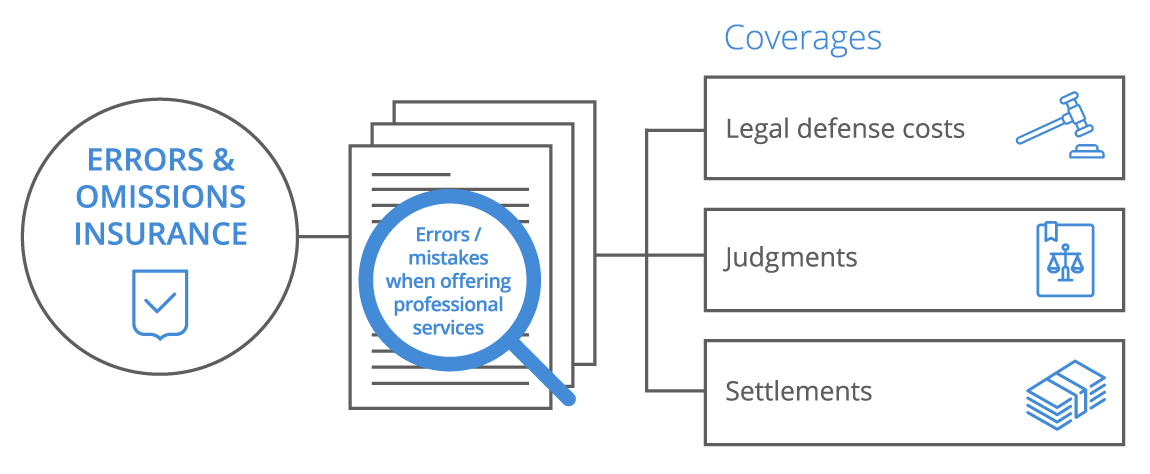
Did you know that nearly 30% of businesses face legal action due to professional mistakes? Enter Errors and Omissions Insurance—your safety net against costly lawsuits.
This type of insurance protects businesses from claims of negligence or inadequate work. It’s crucial for anyone who provides advice or services for a living.
Why Businesses Need Errors and Omissions Insurance
Imagine you’re a consultant, and a client claims your advice cost them thousands. Without E&O insurance, you could be footing that bill. But here is the deal: E&O insurance covers legal fees and settlements, saving your finances and reputation.
Businesses that rely on professional expertise or advice—like lawyers, accountants, and IT consultants—are prime candidates for this insurance. If your advice or service goes awry, E&O insurance has got you covered.
Common Scenarios for E&O Claims
Picture this: A real estate agent overlooks a crucial contract term. The deal falls apart, and they’re sued for negligence. Or a tech firm installs a software update that causes a client’s system crash. These are classic cases where E&O insurance steps in.
Pro Tip: Always double-check contracts and advice to minimize E&O risks.
Key Features of Errors and Omissions Insurance
Before choosing a policy, understand its components. Here’s a quick breakdown:
| Feature | Description |
|---|---|
| Coverage Limit | The maximum amount the insurer will pay for a claim. |
| Deductible | The amount you pay out of pocket before insurance covers the rest. |
| Claims-Made Basis | Coverage is provided only if the claim is made during the policy period. |
| Retroactive Date | Incidents occurring before this date aren’t covered. |
Ensure you know your policy’s coverage limits and retroactive dates to avoid nasty surprises.
Errors and Omissions Insurance in Washington State
Are you aware that Washington State has specific requirements for errors and omissions insurance that can make or break your business? Let’s dive into what you need to know to stay compliant and protected.
Errors and omissions (E&O) insurance is essential for professionals who provide advice or services. In Washington State, this insurance is not just recommended—it’s often a necessity. Whether you’re a real estate agent or a consultant, understanding the E&O requirements in this state can save you from potential legal and financial headaches.
Specific Requirements for E&O Insurance in Washington State
Washington State mandates that certain professionals carry E&O insurance. For instance, real estate agents are required to have this coverage to protect against claims of negligence or mistakes. Unlike some states, Washington requires a minimum coverage amount, ensuring that both clients and professionals are protected from significant financial losses.
Comparison: Washington State vs. Oregon
How does Washington stack up against its neighbor, Oregon? Here’s the deal: Oregon has looser requirements, allowing professionals more leeway in choosing their coverage. On the other hand, Washington’s stricter regulations mean you’re better protected but may face higher premiums.
| State | Requirement | Coverage Amount |
|---|---|---|
| Washington | Mandatory for certain professions | Minimum coverage required |
| Oregon | Optional | No minimum requirement |
Common Industries Utilizing E&O Insurance in Washington State
Ever wondered which industries in Washington are heavy users of E&O insurance? The real estate and technology sectors are at the top of the list. These industries often deal with high-stakes projects where errors can lead to costly disputes.
Benefits of E&O Insurance in Washington State
Here’s why you should care about having E&O insurance in Washington: It offers a safety net against claims of negligence, misrepresentation, and errors. This means you can focus on growing your business with peace of mind. Pro Tip: Always review your policy annually to ensure it aligns with any changes in state regulations or your business operations.
Cost Factors of Errors and Omissions Insurance
Ever wondered why your Errors and Omissions (E&O) insurance bill seems all over the place? It turns out, the cost is like a jigsaw puzzle, with each piece representing a different factor. BUT, when you know what to look for, you can make sense of it all and maybe even save some cash.
Here’s the deal: the cost of E&O insurance in Washington State isn’t one-size-fits-all. It’s influenced by a mix of your profession, policy choices, and even your history with claims. Let’s break it down.
Influencing Factors of E&O Insurance Costs
The first thing you should know is that your profession plays a huge role in determining your insurance rates. High-risk professions like real estate or financial advising often see higher premiums compared to lower-risk fields. Why? Because the likelihood of a claim is greater. And insurers take that risk into account.
Then there’s the matter of policy limits and deductibles. Opting for a higher policy limit means you’re getting more coverage, but it also means a higher cost. Similarly, choosing a lower deductible can raise your premium since you’re effectively asking the insurer to shoulder more of the financial burden in case of a claim.
Pro Tip: If you’re just starting out or have a tight budget, consider a higher deductible to keep initial costs down.
Impact of Claim History on Premiums
Think your insurance history doesn’t matter? Think again. A spotless claim history could score you lower premiums. On the flip side, if you’ve had multiple claims, expect a bump in your rates. Insurers view your past claims as an indicator of future risk.
Basically, it’s like a credit score for your insurance—clean equals cheap; messy equals costly.
Average Cost Ranges for Different Professions
Here’s a quick look at what you might expect to pay for E&O insurance across various professions in Washington State:
| Profession | Average Annual Premium |
|---|---|
| Real Estate | $800 – $3,000 |
| Financial Advisors | $1,200 – $5,000 |
| Consultants | $500 – $2,000 |
| IT Professionals | $600 – $2,500 |
As you can see, costs can vary significantly. It’s all about finding the right balance between coverage needs and budget considerations.
Claims Process for Errors and Omissions Insurance
Think filing a claim is a hassle? You’re not alone. Most policyholders dread the process. But it doesn’t have to be that way. Here’s how you can streamline the claims process for errors and omissions insurance.
Understanding each step of the claims process can save you both time and money. From gathering the right documents to understanding the timelines, every detail matters. Here’s the deal: The smoother you make the process for the insurance company, the faster you’ll get your claim resolved.
Steps for Filing a Claim
Filing a claim for errors and omissions insurance isn’t rocket science. But, missing a step can lead to delays. So, let’s break it down:
- Notification: As soon as an issue arises, notify your insurance provider. This is crucial because delaying can jeopardize your claim.
- Documentation: Capture all the necessary details. This includes emails, contracts, and any correspondence related to the error or omission.
- Submission: Submit your claim along with all the required documentation. Be thorough and don’t leave anything out.
- Follow-Up: Keep track of your claim’s progress. Regular follow-ups can expedite the process.
Pro Tip: “The sooner you gather and submit your documentation, the faster your claim will be processed.”
Required Documentation for Claims
If you want to avoid headaches, get your documentation right. Insurance companies are sticklers for detail. Here’s a checklist of what you need:
- Incident Report: A detailed account of what happened.
- Communication Records: Emails, letters, and any form of communication related to the claim.
- Policy Documents: Your insurance policy details for reference.
- Evidence: Any proof that backs your claim, like photos or expert reports.
Methods to Expedite the Claims Process
Want your claim processed yesterday? While you can’t time-travel, there are ways to speed things up. Here’s how:
- Be Thorough: Ensure all the paperwork is complete and accurate.
- Use Technology: File your claim online if possible. It’s faster and more efficient.
- Stay Informed: Knowledge is power. Know your policy inside out.
- Communicate Clearly: Regular and clear communication with your insurer can keep things moving.
Timelines for Claim Resolution
How long does it take to resolve a claim? Check out the table below for typical timelines:
| Step | Estimated Time |
|---|---|
| Claim Notification | 1-2 Days |
| Document Submission | 3-5 Days |
| Initial Review | 1-2 Weeks |
| Final Decision | 2-4 Weeks |
Selecting the Right Errors and Omissions Insurance
Did you know that selecting the wrong Errors and Omissions Insurance could cost you thousands in uncovered claims? Choosing the right policy is essential for your business’s financial security in Washington State.
But how do you pick the best provider? This is where understanding your needs and the options available becomes critical.
Key Considerations When Choosing an Insurance Provider
First, you need to evaluate the reputation and financial strength of potential insurers. Trust me, you don’t want to be left hanging when it’s time to file a claim. Look for providers with strong customer reviews and a solid history in the industry.
Next, check for industry expertise. An insurer familiar with your specific field will better understand the risks involved and tailor policies to suit your needs. Here is the deal: not all policies are created equal, so an experienced provider in your niche can make a world of difference.
Customizable Options Within an Errors and Omissions Policy
One-size-fits-all doesn’t cut it for Errors and Omissions Insurance. Look for policies that offer customizable options so you can tweak coverage limits, deductibles, and additional riders. This flexibility can save you money while protecting against unique risks.
Pro Tip: Discuss with your provider about potential policy adjustments annually. Your needs might change, and so should your coverage.
Checklist for Evaluating Potential Insurance Plans
- Verify the insurer’s licensing in Washington State.
- Compare coverage limits and deductibles.
- Check for exclusions and conditions.
- Ask about claims handling process and customer service availability.
- Review testimonials and case studies.
Use this checklist to ensure you’re not missing any crucial details.
Examples of Policy Add-Ons and Their Benefits
Want extra peace of mind? Consider policy add-ons like cyber liability coverage if your business handles sensitive data. This can protect you from data breaches and cyber threats.
Another valuable add-on is defense costs coverage. It covers legal expenses in case of a lawsuit, which could otherwise drain your resources.
By selecting the right add-ons, you can tailor your policy to address specific risks unique to your business.
Benefits of Errors and Omissions Insurance

Did you know that a single lawsuit could put your entire business at risk? That’s where Errors and Omissions Insurance comes in, acting as your financial safety net. This insurance is a game-changer for any business looking to protect itself from costly legal claims.
Errors and Omissions Insurance, often called E&O, is essential in covering legal expenses and potential settlements. BUT the real magic happens when it gives your clients and partners peace of mind, knowing you’re a responsible and credible entity. Here is the deal: it’s not just about protection, it’s about enhancing your business’s reputation.
Comparing Coverage Benefits Across Policies
When it comes to E&O policies, not all are created equal. Some might cover you for negligence claims, while others include protection against copyright infringement. But how do you know which one is right for you?
| Policy Type | Coverage Benefits |
|---|---|
| Basic E&O | Covers negligence and legal defense costs |
| Advanced E&O | Includes copyright infringement and personal injury |
| Comprehensive E&O | Offers worldwide coverage and crisis management |
Maximizing the Value of Your Policy
To get the most out of your E&O insurance, you need to think strategically. Start by reviewing your policy with a fine-tooth comb to ensure there are no gaps in coverage. Then, update it as your business evolves.
- Regularly assess and adjust coverage limits.
- Consider add-ons for specific industry risks.
- Train employees on risk management practices.
Pro Tip: Always consult with an insurance expert to tailor your policy to your exact needs.
Boosting Client Trust and Business Credibility
Having E&O insurance isn’t just about protecting your assets. It’s a signal to your clients that you take your responsibilities seriously. This insurance can enhance client trust and set you apart from competitors without coverage.
Showcasing your E&O policy can be a powerful marketing tool. It tells potential clients that you’re ready to stand by your work and willing to address any issues professionally. This transparency builds a stronger business relationship and leads to long-term success.
Summary
As we’ve explored, errors and omissions insurance is more than just a policy—it’s peace of mind for your business. In Washington State, where industries are as diverse as the landscapes, having the right E&O coverage ensures that your professional reputation and financial stability are protected. Don’t wait for a claim to take you by surprise; arm yourself with the knowledge and coverage you need today.
Frequently Asked Questions
What is errors and omissions insurance?
Errors and omissions insurance, also known as E&O insurance, is a type of professional liability insurance that protects businesses against claims of inadequate work or negligent actions.
Who needs errors and omissions insurance in Washington State?
Professionals such as real estate agents, consultants, financial advisors, and technology service providers often need E&O insurance to safeguard against potential lawsuits.
What are the coverage limits for E&O insurance in Washington State?
Coverage limits can vary widely, typically ranging from $250,000 to $2 million, depending on the industry and specific risks involved.
How does previous claim history affect E&O insurance premiums?
A history of claims can lead to higher premiums as insurers perceive a higher risk of future claims.
Can E&O insurance be customized for specific business needs?
Yes, many providers offer customizable E&O policies that can include various endorsements and riders to suit specific business needs.
