Ever wondered how some small businesses manage to keep going strong even when unexpected mishaps strike? The secret sauce often lies in something many overlook: small business insurance. It’s not just an extra line on your budget; it’s the sturdy safety net that can make or break your hard-earned business when things go south.
In the vibrant world of small businesses, understanding insurance isn’t just an option—it’s a necessity. Whether you’re running a quaint café or a bustling tech startup, the right insurance can save you from financial turbulence. Get ready to dive deep into the world of small business insurance and discover how it can shield your enterprise from unforeseen risks, all while keeping you compliant with legal requirements.
Understanding Small Business Insurance
Did you know that 40% of small businesses never reopen after a disaster? That’s why having the right insurance is a game-changer. Small business insurance is not just a safety net; it’s your company’s lifeline when things go south.
This insurance isn’t a one-size-fits-all deal. Different industries require unique protections, and understanding these can save you from financial ruin.
The Importance of Small Business Insurance for Different Industries
Whether you run a cozy café or a tech startup, small business insurance is your best friend when disaster strikes. In retail, it covers you against theft and liability. For tech companies, it’s all about safeguarding intellectual property and data breaches. Each sector has its own risks, and aligning your insurance with these risks is crucial.
Common Types of Insurance Policies Tailored for Small Businesses
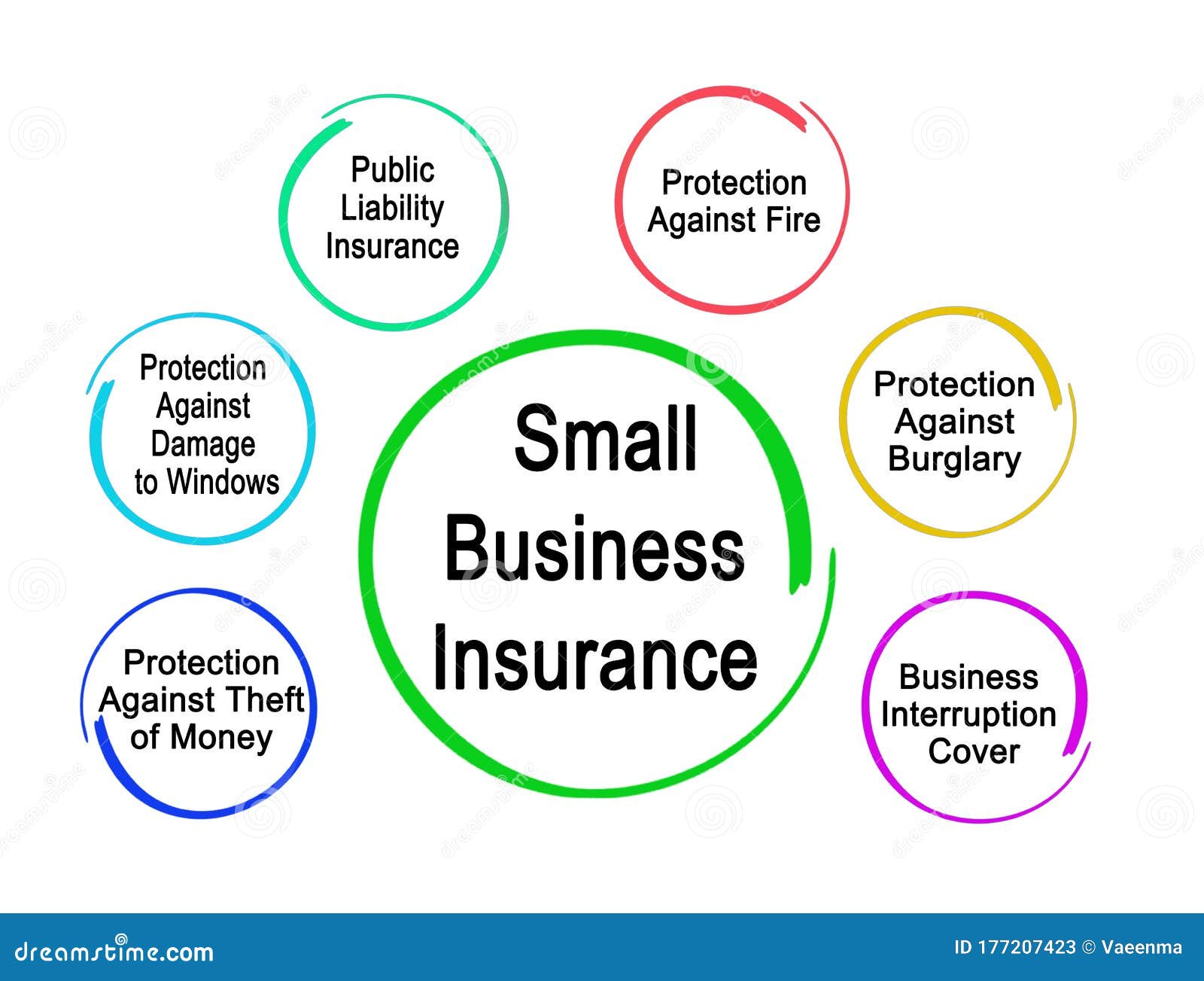
Let’s break down the most common types of policies you should consider. You’ll often hear about:
- General Liability Insurance
- Commercial Property Insurance
- Professional Liability Insurance (Errors and Omissions)
- Workers’ Compensation Insurance
- Business Interruption Insurance
Pro Tip: Mix and match these policies to create a custom package that fits your business like a glove.
How Small Business Insurance Protects Against Financial Risks
Think of small business insurance as your financial bodyguard. It shields you from lawsuits, property damage, and loss of income. Imagine a client sues you over a failed project or your inventory gets wiped out in a flood. With the right coverage, you’re not just surviving—you’re thriving.
Legal Requirements for Small Business Insurance in Various Regions
Here’s the deal: Insurance laws vary by region, but not having what’s required can cost you big time. In most places, workers’ compensation is mandatory if you have employees. Some states require specific coverage, like disability insurance. Always check local laws to ensure compliance and peace of mind.
Types of Small Business Insurance
Did you know that 40% of small businesses will experience a claim in the next 10 years? That’s why understanding the types of insurance available is crucial.
You’re not just protecting your assets but also ensuring your business survives unexpected events. Let’s dive into the key types of insurance every small business should consider.
General Liability Insurance: Your Defense Against the Unexpected
General Liability Insurance is your first line of defense. It’s designed to protect your business from claims involving bodily injuries and property damage. If a customer slips in your store or you accidentally damage a client’s property, this insurance has got your back.
Here’s the deal: Without it, you could face hefty legal fees and settlements. Small businesses that forego this coverage often regret it when the unexpected strikes. It’s not just about compliance; it’s about peace of mind.
Property Insurance: Protecting Your Physical Assets
Your business is your baby, and you need to protect its physical assets. Property Insurance covers your building, equipment, inventory, and more against risks like fire, theft, and natural disasters. Imagine coming to work one day only to find everything lost to a fire. Property insurance ensures you can rebuild without starting from scratch.
Pro Tip: Always assess the replacement cost of your assets to ensure you’re adequately covered. Don’t cut corners here—your business depends on it.
Professional vs. Product Liability Insurance
Professional Liability Insurance and Product Liability Insurance serve different purposes, and knowing which one you need is key. Let’s break it down:
| Type | Coverage |
|---|---|
| Professional Liability | Covers errors and omissions in professional services. |
| Product Liability | Protects against claims related to defective products. |
If you offer a service, professional liability is a must. For those selling products, product liability is non-negotiable. One protects your expertise; the other, your goods.
Optional Coverages: Going Beyond the Basics
Basic coverage is a great start, but sometimes your business needs more. Here’s a list of additional optional coverages that might be crucial for your business:
- Cyber Liability Insurance: For protection against data breaches and cyberattacks.
- Business Interruption Insurance: Covers lost income during temporary shutdowns.
- Workers’ Compensation Insurance: Mandatory in most states, covering employee injuries.
- Commercial Auto Insurance: If your business uses vehicles, this is essential.
Choosing the right coverage might seem daunting, but it’s all about aligning insurance with your specific risks and needs. Don’t leave your business exposed.
Cost Factors in Small Business Insurance

Ever wonder why your small business insurance is costing you an arm and a leg? Here’s the deal: understanding the cost factors at play can help you keep expenses in check without sacrificing coverage.
Let’s unpack the key elements that influence what you pay for insurance, and how you can strategically manage these to your advantage.
Key Factors Influencing Insurance Premiums
Your premium isn’t just a random number. It’s influenced by several critical factors. First, consider your business location. If you’re in a high-risk area (think flood zones or hurricane-prone regions), expect to pay more. Next, the coverage limits you’re after will directly impact costs. More coverage equals more money. Finally, your claims history can haunt you. Multiple claims can hike up premiums faster than you can say “deductible”.
Impact of Business Size and Industry Type
Your business size and industry are like the twin towers of insurance cost influencers. Larger businesses usually face higher premiums due to more employees and assets at risk. On the flipside, industry type can shift your rates dramatically. A construction company, for example, is inherently riskier than a web design firm. Accident-prone industries pay more because, well, they’re accident-prone.
Calculating Potential Insurance Expenses
How do you make sense of all this? Step #1: Gather your business details. Insurers need specifics like annual revenue, number of employees, and operational risks. Step #2: Use online calculators. Many insurance providers offer tools that provide ballpark estimates. This gives you a snapshot of potential expenses. Step #3: Consult with a broker. They can offer tailored advice and potentially snag you a better deal.
Strategies to Reduce Insurance Costs
Think you’re stuck with sky-high premiums? Think again! There are savvy ways to trim the fat. First, shop around. Different insurers offer different rates, so compare before you commit. Second, bundle your policies. Many providers give discounts if you have multiple policies with them. Third, consider raising your deductible. Yes, it means more out-of-pocket during a claim, but it can slash your premium significantly.
Pro Tip: Regularly review and update your insurance policies to ensure you’re not over-insured or paying for coverage you no longer need.
Selecting the Right Insurance Provider
Choosing an insurance provider can be a game-changer for your business. Did you know that 40% of small businesses are underinsured? This could be you. Let’s make sure that doesn’t happen.
Finding the right provider isn’t just about price. It’s about reliability, coverage, and service. Here’s how you can zero in on the best fit for your business.
Checklist for Evaluating Insurance Providers
Start by researching the company’s reputation. Look for reviews from other business owners and check their claim settlement ratio. A high ratio often indicates a reliable provider. Next, assess the financial strength of the insurer. You want them to be around when you need them. Finally, evaluate their customer service. Quick responses and knowledgeable agents are a must.
- Reputation and reviews
- Claim settlement ratio
- Financial strength rating
- Customer service quality
Examples of Reputable Insurance Companies
Let’s talk about some top players. Hiscox is renowned for its tailored small business policies. Another giant, Nationwide, offers comprehensive plans with excellent customer support. And don’t forget State Farm, known for robust coverage options and an extensive agent network.
Comparing Insurance Quotes
Here is the deal: comparing quotes isn’t just about finding the cheapest option. It’s about identifying the best value for your specific needs. Gather quotes from at least three companies. Use their online calculators, if available, to get accurate estimates. Consider not just the premiums, but also coverage limits and deductibles.
| Provider | Coverage Options | Premiums | Customer Rating |
|---|---|---|---|
| Hiscox | Customizable | $$ | 4.5/5 |
| Nationwide | Comprehensive | $$$ | 4.2/5 |
| State Farm | Extensive | $$ | 4.3/5 |
Pro Tip: Always check for hidden fees and exclusions that might affect your coverage.
Guidelines for Reading Policy Terms
Insurance terms can be a minefield, BUT understanding them is crucial. Start with the declarations page—it provides a summary of your coverage. Pay special attention to the exclusions and conditions sections; this is where your coverage might be limited. Finally, don’t hesitate to ask your agent to clarify any confusing terms.
Claims Process and Management
Did you know that nearly 40% of small businesses will file an insurance claim within the next decade? As a small business owner, understanding the claims process can make or break your financial recovery.
Here’s the deal: mastering the insurance claims process is crucial to maintaining your business’s stability when unexpected events occur. Let’s dive into the procedure, required documentation, and common challenges so you can file claims like a pro.
Filing an Insurance Claim as a Small Business Owner
The process of filing a claim might seem daunting, BUT it’s simpler than you think. Start by contacting your insurance provider to report the loss immediately. They’ll guide you on the next steps.
Here’s what you need to know: most insurers require a claim to be filed within a specific timeframe, often within a few days of the incident. Missing this deadline can jeopardize your claim.
Documentation Required During the Claims Process
Documentation is everything. Without it, your claim could hit a wall. Gather evidence such as photos, receipts, and contracts that support your claim.
Insurance companies typically ask for written reports, proof of loss, and any related service records.
Pro Tip:
Keep a digital and physical file of all your business transactions. This will save you a massive headache when it’s time to file a claim.
Common Challenges in the Claims Process and How to Overcome Them
Filing a claim isn’t always smooth sailing. One common hurdle is the denial of claims due to insufficient documentation. Make sure every piece of evidence is submitted on time.
Another roadblock can be delays in claim processing. Stay proactive by regularly following up with your insurer to keep your claim moving.
Tips for Efficient Claims Management
Efficient claims management minimizes disruptions to your business operations. Here are some tips to keep your claims process on track:
| Tip | Action |
|---|---|
| Documentation | Keep thorough records and backup documentation digitally. |
| Communication | Maintain regular contact with your insurance provider for updates. |
| Professional Assistance | Consult a claims adjuster for complex claims to maximize your reimbursement. |
| Review Policy | Understand your current coverage to avoid surprises during the claims process. |
Future Trends in Small Business Insurance
Did you know that the small business insurance market is projected to reach $507.2 billion by 2028? That’s a massive figure, and it’s driven by several emerging trends that are reshaping the industry.
These trends will not only impact coverage options but also how you, as a small business owner, engage with insurance services. Let’s dive into what’s on the horizon and how you can be prepared.
Influence of Technology on Insurance Services
Technology is changing small business insurance faster than ever before. Insurtech, a blend of “insurance” and “technology,” is leading the charge. With AI and machine learning, companies can now offer personalized policies based on your specific needs.
Here’s the deal: automation is cutting down claim processing times from weeks to days. That means you get your money faster when you need it most.
Pro Tip: Embrace digital documentation. It makes everything quicker and easier for both you and your insurer.
Adapting to the Changing Insurance Landscape
So, how can you adapt? Step #1: Stay informed. Follow industry news and updates from your provider. Knowledge is power!
Step #2: Review your current policies annually. Make adjustments based on your business growth and the latest offerings in the market.
But there’s more: consider consulting with an insurance advisor who is up-to-speed with the latest trends. They can offer invaluable advice tailored to your situation.
Benefits and Challenges of Digital Insurance Platforms
Digital insurance platforms are becoming the norm, offering clear advantages. Instant quotes and coverage are just a click away, making it easier than ever to secure the protection you need.
But, not all is perfect. The challenge lies in ensuring data security and privacy. As these platforms gather more data, the risk of breaches can increase.
Here’s a comparison of traditional vs. digital insurance:
| Traditional Insurance | Digital Insurance |
|---|---|
| Longer processing times | Instant processing |
| Limited customization | Highly personalized |
| Manual paperwork | Digital documentation |
Embrace the digital shift, but stay vigilant about your data’s security. That’s the balancing act required to thrive in today’s insurance landscape.
Last Word
In the grand scheme of running a small business, insurance isn’t just a safety net; it’s your business’s best friend. As we’ve explored, having the right coverage tailored to your industry and needs can save you from financial calamity. So, take the insights you’ve gained here and make informed decisions to protect what you’ve built. The future of your business depends on it, and with the right insurance, it’s a future full of promise.
Q&A
What is the most important type of small business insurance?
General liability insurance is often considered the most crucial because it covers common risks like customer injuries and property damage.
Is small business insurance mandatory?
The legal requirements for small business insurance vary by region and industry, but some forms, like workers’ compensation, are often mandatory.
How can I reduce my small business insurance costs?
You can reduce costs by bundling policies, increasing deductibles, implementing safety programs, and regularly reviewing your coverage needs.
What is the difference between professional liability and product liability insurance?
Professional liability covers errors and negligence in services provided, while product liability covers damages caused by products you sell.
How do technology trends affect small business insurance?
Technology is streamlining policy management, claims processing, and offering new coverage options like cyber liability insurance for digital threats.
